
When we design a cultural journey, the destination is only the starting point.
A place on a map, no matter how renowned, does not in itself guarantee a meaningful experience. What truly shapes a journey is the way places are connected, the rhythm of the days, the balance between discovery and rest, and the space left for understanding rather than simply seeing. Travel becomes memorable not because of the number of landmarks visited, but because of how those moments are lived and understood.
At Azurom, we believe that cultural travel should feel coherent, thoughtful, and deeply human. A castle visit becomes more meaningful when it is followed by a regional meal shared in a relaxed setting. A historic town feels different when you stay nearby, wake up with its rhythm, and observe daily life, rather than passing through for a brief stop. These nuances may seem subtle, yet they are what transform an itinerary into a journey.
The Loire Valley is a perfect illustration of this philosophy. Known worldwide for its châteaux, it is often approached as a checklist of iconic sites. However, beyond its famous silhouettes lie landscapes shaped by centuries of agriculture, culinary traditions rooted in local terroir, and a pace of life that invites deeper discovery. The Loire Valley is not only a destination; it is a region to be understood over time.
This article explores how curated journeys go beyond the question of “where” and focus instead on “how”. Using the Loire Valley as a living example, we will look at what it means to design a cultural journey that is balanced, immersive, and timeless.
Beyond the Map: Rethinking the Purpose of Cultural Travel
For many travelers, cultural travel has long been associated with accumulation: more cities, more monuments, more photographs. While this approach can be exciting, it often leaves little room for reflection or genuine connection. Days become dense, transitions feel rushed, and experiences blur together.
A curated cultural journey takes a different approach. It starts by asking a simple yet fundamental question: what should this journey feel like? Should it feel contemplative, enriching, and unhurried? Should it offer moments of contrast between grandeur and simplicity? Should it allow travelers to engage with history while remaining grounded in the present?
By shifting the focus from quantity to coherence, travel design becomes an exercise in storytelling. Each place has a role to play. Each transition has meaning. The goal is not to impress, but to resonate.
This philosophy is particularly relevant in regions with a strong historical identity, such as the Loire Valley. When approached thoughtfully, the region reveals itself not as a series of isolated attractions, but as a continuous cultural landscape shaped by royal ambition, rural life, and artistic heritage.
The Loire Valley: More Than Its Châteaux
The Loire Valley occupies a unique place in French cultural history. Often referred to as the “Garden of France,” it has long been associated with elegance, refinement, and a certain art of living. Kings, queens, writers, and artists were drawn to its light, its fertile lands, and its strategic location along the Loire River.
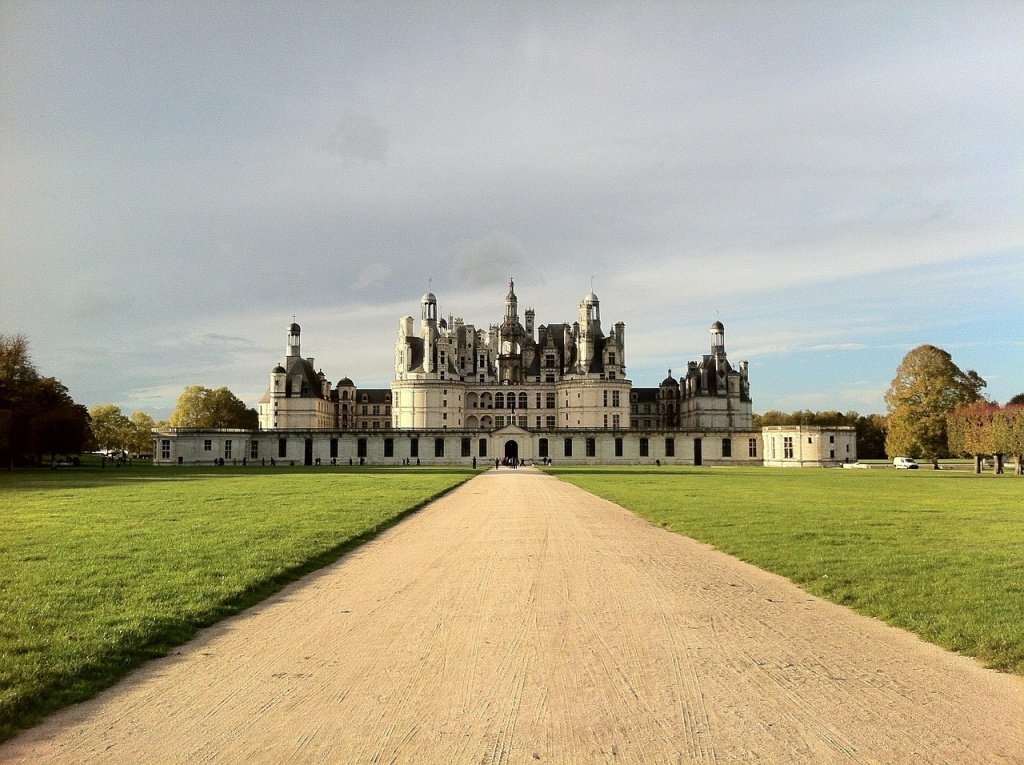
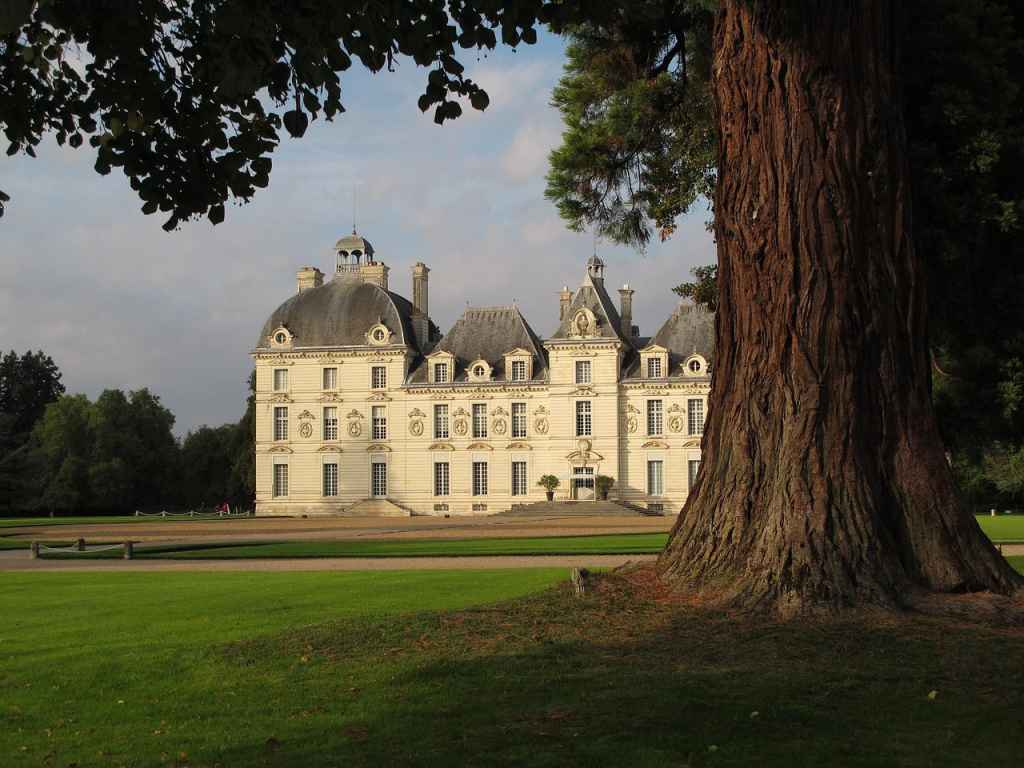
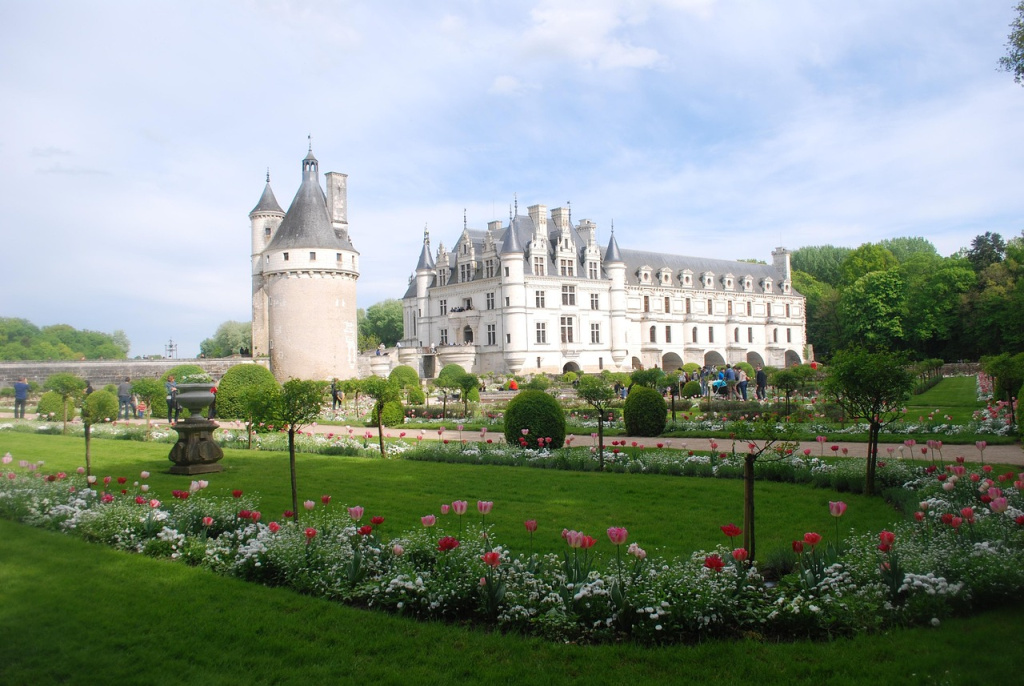
The châteaux are undoubtedly central to this story. Chambord, Chenonceau, Amboise, Villandry, and many others each tell a different chapter of French history. Their architecture reflects political power, artistic ambition, and evolving tastes over centuries.
Yet to focus solely on these landmarks would be to miss the broader context that gives them meaning. These castles were not built in isolation. They were part of a living region, connected by rivers, forests, vineyards, and villages. The Loire Valley was as much a place of daily life as it was a stage for royal display.
A curated journey through the Loire Valley acknowledges this complexity. It invites travelers to move beyond the façade and explore the relationships between landscape, architecture, and local culture.
The Importance of Rhythm in Travel Design
One of the defining elements of a curated journey is rhythm. Just as music relies on variation between tempo and silence, a meaningful itinerary balances moments of intensity with moments of calm.
In the Loire Valley, this rhythm can be felt naturally when the journey is designed with care. A morning spent exploring the grandeur of a château may be followed by a leisurely lunch featuring local produce. An afternoon walk through vineyards or along the river allows time to process what has been seen, rather than rushing to the next site.
Staying in one area for several nights rather than changing accommodations daily also plays a crucial role. It creates a sense of familiarity. Travelers begin to recognize landscapes, understand distances, and feel less like visitors and more like temporary residents.
This slower pace does not mean sacrificing depth or interest. On the contrary, it allows each experience to unfold fully. Conversations with local hosts become more natural. Observations become more attentive. The journey gains emotional continuity.
Connection Through Place: Staying Where History Lives
Accommodation is often treated as a practical necessity, yet it has a profound influence on how a journey is experienced. Where you stay shapes your relationship with a region.
In the Loire Valley, staying near historic towns or within rural surroundings offers a very different perspective than staying on the outskirts or in transit hubs. Waking up in a village where daily life continues at a gentle pace allows travelers to witness the region as it truly is.
Morning markets, evening walks, local cafés, and quiet streets all contribute to a sense of connection. These moments may not appear in guidebooks, yet they often leave the strongest impressions.
A curated journey considers accommodation not just for comfort, but for context. It becomes part of the cultural experience rather than a neutral backdrop.
Culinary Heritage as Cultural Expression
Food is one of the most direct and accessible ways to understand a region. In the Loire Valley, culinary traditions are deeply tied to the land and the seasons.
Freshwater fish from the Loire River, goat cheeses from nearby farms, fruits grown in fertile soils, and wines that reflect local terroirs all tell a story of place. Meals are not merely sustenance; they are expressions of history, geography, and craftsmanship.
In a curated journey, dining is approached with intention. A meal is chosen not only for quality, but for relevance. Eating in a family-run restaurant after visiting a nearby château creates a natural link between history and daily life. Wine tastings are more meaningful when they are connected to the landscapes and traditions that shaped them.
These experiences encourage travelers to engage their senses and deepen their understanding in a way that no monument alone can achieve.
The Role of Transitions: Travel as a Continuous Experience
Often overlooked, transitions between places play a crucial role in shaping how a journey feels. Long drives, poorly timed transfers, or illogical routes can disrupt the flow and diminish enjoyment.
In the Loire Valley, distances between key sites are relatively short, yet the region’s diversity means that each transition offers an opportunity for discovery. Passing through vineyards, forests, or riverside landscapes provides visual continuity and reinforces the sense of being immersed in a living region.
A curated itinerary pays close attention to these transitions. Routes are chosen not only for efficiency, but for beauty and coherence. Time on the road becomes part of the experience rather than an inconvenience.
Cultural Depth Through Context and Storytelling
Understanding a place requires context. Facts alone rarely create emotional connection. Stories, however, bring history to life. In the Loire Valley, stories abound. Tales of royal intrigue, artistic innovation, and rural resilience enrich each visit. Learning about the people who lived, worked, and dreamed within these landscapes transforms stone walls into lived spaces.
A curated journey weaves these narratives throughout the itinerary. Rather than overwhelming travelers with information, it offers insight at the right moment. History becomes accessible and engaging, encouraging curiosity rather than fatigue.
In an age of fast-changing travel trends, timelessness has become a value in itself. A curated cultural journey is designed to remain relevant regardless of season or year.
The Loire Valley lends itself naturally to this approach. Its appeal does not rely on fleeting events or seasonal attractions. The region’s heritage, landscapes, and way of life are enduring.
By focusing on fundamental experiences—walking through historic towns, sharing regional meals, observing daily life—a journey becomes resilient to change. It remains meaningful whether visited in spring, summer, autumn, or winter.
This timeless quality ensures that the journey retains its value long after the moment has passed.
Azurom’s Approach to Curated Cultural Journeys
At Azurom, our role goes beyond organizing travel; we design cultural journeys with intention, coherence, and respect for the places explored. Each itinerary is conceived as a meaningful experience rather than a simple sequence of stops.
Our approach begins with attentive listening. By understanding each traveler’s expectations, pace, and interests, we create journeys that feel personal and thoughtfully constructed, rather than generic or standardized.
We place particular importance on the connections between places, experiences, and moments. These links allow the journey to unfold naturally, giving rhythm and continuity to the travel experience.
The Loire Valley journey we curate reflects this philosophy clearly. It moves beyond iconic images to reveal the region’s subtler dimensions, inviting travelers to slow down, observe, and engage with the landscape and local life.
Rather than imposing a rigid program, we design flexible itineraries that leave room for discovery and personal interpretation. This freedom is essential to meaningful and lasting travel.
A destination, no matter how remarkable, is only one element of a resonant journey. Its true value lies in the balance between discovery and rest, the coherence between locations, and the time given to fully experience each place.
When explored with care, the Loire Valley reveals itself not as a collection of landmarks, but as a living whole shaped by history, landscapes, towns, and culinary traditions.
Curated cultural travel is not about doing more, but about understanding better. It encourages travelers to connect experiences rather than accumulate them, and to return home with impressions that endure.
Our Loire Valley and other themed journeys are designed with this timeless perspective in mind, offering a balanced exploration of heritage, local culture, and landscape, while leaving space for both understanding and enjoyment.